 As Georgia prepares for the 2026 election cycle, one message remains true – the disability vote counts.
For people with disabilities, their families, and those who support them, voting is more than a civic responsibility. It is one of the best ways to influence the decisions that shape everyday life. Policies passed at the state and federal levels determine access to healthcare, education, employment, housing, and community-based services. These issues are not hard to understand. They show up in homes, schools, and communities across Georgia every day. Right now, those decisions feel especially important.
Across the state, thousands of individuals with intellectual and developmental disabilities (I/DD) are still waiting for services. Families are doing everything they can to bridge the gaps while navigating systems that are often difficult to access and even harder to sustain without support. Providers are struggling to recruit and retain staff. This limits their ability to provide more services even when funding becomes available. These are real challenges, and they are shaped by public policy choices. Those policy choices are made by elected leaders.
Civic engagement is how everyday people have a say in what happens in their community. It starts with being included, but it does not stop there. It means staying informed and asking questions. It also means participating in conversations with other members of the community and local elected officials and showing up when it matters. Voting is one part of that process. Voting is also connected to a much larger picture of advocacy.
For many years, people with disabilities have faced barriers that made participation harder than it should be. Some polling places have not been fully accessible. Transportation can be difficult to arrange. Voting materials are not always written in a way that is easy to understand. Too often, people with disabilities have not been included in conversations about rules that affect them.
That is beginning to change.
Across Georgia, more self-advocates are stepping forward and sharing their experiences. Families are speaking openly about what support looks like in real life. Organizations and communities are working together to build systems that are more inclusive and responsive. When people in the disability community speak up and get involved, change happens. It also creates accountability. One of the most important ways to be part of that change is by making a plan to vote.
2026 Election Cycle: Important Dates to Know
The 2026 election cycle includes both the primary and general elections, and understanding the timeline helps make participation more comfortable and less overwhelming. The primary election means that Democrats and Republicans each vote for the candidate they want to run in the general election. The general election means a candidate from each party usually runs, including Independents. A person can even add their own candidate.
Important dates during this year’s election cycle are:
- May 8: Last day to apply for an absentee ballot for the primary election.
- May 19: Primary election takes place. Early voting for the primary election is now open.
- May 19: Deadline to return an absentee ballot for the primary election.
- August 17: Requests for absentee ballots for the general election begin.
- October 5: Deadline to register to vote in the general election.
- October 13: Early voting begins.
- October 23: Last day to request an absentee ballot.
- November 3: Deadline to submit an absentee ballot.
- November 3: Election Day.
Knowing these dates allows people to plan in a way that works for them. Having a plan like voting early, mailing in your ballot, or getting ready for Election Day makes it easier to vote.
Learn What Issues will be on the Ballot
Understanding the issues on the ballot is just as important as knowing when to vote.
To understand why voting matters, it helps to look at what is happening in Georgia right now. The state’s primary programs for people with I/DD are the NOW and COMP waivers. They provide funding for services that allow people to live and receive support in their communities instead of institutions. The problem is that more people need help than there is help available. Thousands of people in Georgia are on a waiting list. Many families wait years, sometimes even longer, to get the support they need to live on their own.
At the same time, the system is facing significant workforce challenges. Direct Support Professionals, who provide day-to-day care and support, are often underpaid and in short supply. This makes it hard to expand services even when funding is available. While lawmakers have made some progress by adding more help and money for workers, there are still many more people who need support than can get it. These are policy decisions, and those decisions are shaped by elections.
This is what is at stake.
Whoever wins in the 2026 elections will help decide how many people can get support and how fast they can get it. It will shape whether waiting lists continue to grow or begin to shrink. It will affect whether the workforce receives the money needed to keep services going and help more people. It will decide whether families can get help early or must wait until a crisis.
There are additional things to think about. At the federal level, conversations about funding for disability programs continue to happen. Some programs, like waivers, use money from both the state government and the federal government, called a match. If the federal government’s payment decreases, states like Georgia will have to pay more money for their disability programs. That makes state-level leadership and decision-making even more important.
This is why civic engagement matters, and why informed engagement matters even more.
GCDD to Host a Candidate Forum
One of the most effective ways to stay informed is by attending a candidate forum. These Forums give voters the opportunity to hear directly from the people who are running for office. They create space for meaningful discussion about important issues.
This year, the Georgia Council on Developmental Disabilities (GCDD) will host its 2026 Candidate Forum on the evening of Thursday, September 17. The forum will be virtual in partnership with the Georgia Advocacy Office, Sangha Unity Network, and REV UP Georgia.
The forum will bring together candidates running for key offices across Georgia. They are the:
- Governor
- Lieutenant Governor
- Superintendent of Schools
- Insurance Commissioner
- Secretary of State
- Attorney General
- Labor Commissioner
- Public Service Commissioner
- U.S. Senator
These candidates will be asked to talk about issues that impact the disability community. These are issues like healthcare access, employment, education, and voting rights.
This is an opportunity for people to hear directly from candidates and better understand the candidates’ positions on the issues. It is also an opportunity to make sure disability issues are part of the conversation before decisions are made. Events like this help bridge the gap between policy and the experience of people with disabilities.
Sometimes it feels like one voice does not make a difference. This can happen when trying to figure out a system that feels large and complex. Remember that every vote counts. Change takes time. Change happens when people continue to show up, continue to speak, and continue to participate. Every vote matters. Every question asked matters. Every conversation contributes to a bigger change.
When people with disabilities and their families get involved, they share what life is really like. This helps make sure decisions are based on real life, not just ideas. They help build systems that work better for everyone. That is how progress happens.
The message is simple. Disability vote counts. Your voice matters. Your experience matters. And your participation helps shape the future of services and supports across Georgia. Now is the time to learn about the issues, make a plan, and be part of the process.


 I always look forward to Spring – crisp morning air, blooming flowers, warmer-but-not-yet-hot weather, opportunities to renew and refresh, and the hope and plans that come when seasons change.
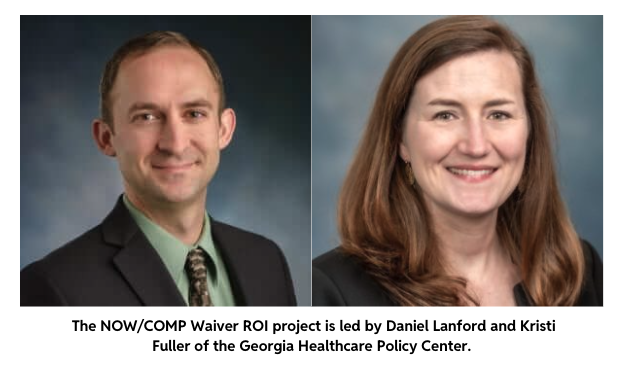 This is also known as the return on investment, or ROI. These services are funded through NOW/COMP Waivers. The study aims to show lawmakers and the public the real benefits of this funding, both direct and indirect, so they can better understand why these services are important. The Georgia Council on Developmental Disabilities (GCDD) provided a grant to make this research possible.
 The workshop explained each step of voting in a clear and simple way. This helped people feel more confident and less nervous about voting, which can sometimes feel confusing or overwhelming.